Robots
Work cells and training platforms
Pre-engineered for a job, so a factory or a lab can start in days.
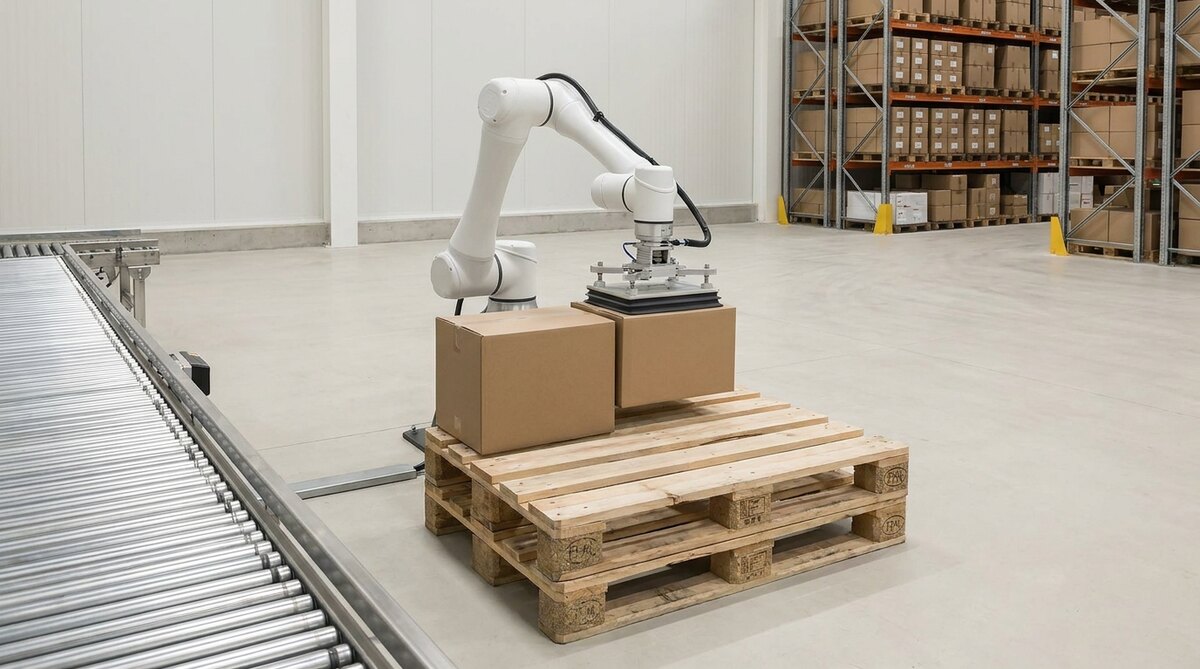
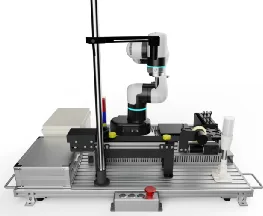
A work cell is the arm plus everything around it: the gripper, the vision, the safety layer, the stand, the feeding and the program. Buying it as a cell rather than as a pile of parts is what turns a robot from a project into a machine you switch on.
What you get
Pre-engineered for the job.
- Palletizing set up in 30 minutes with no code.
- Welding, screwdriving and machine-tending packages.
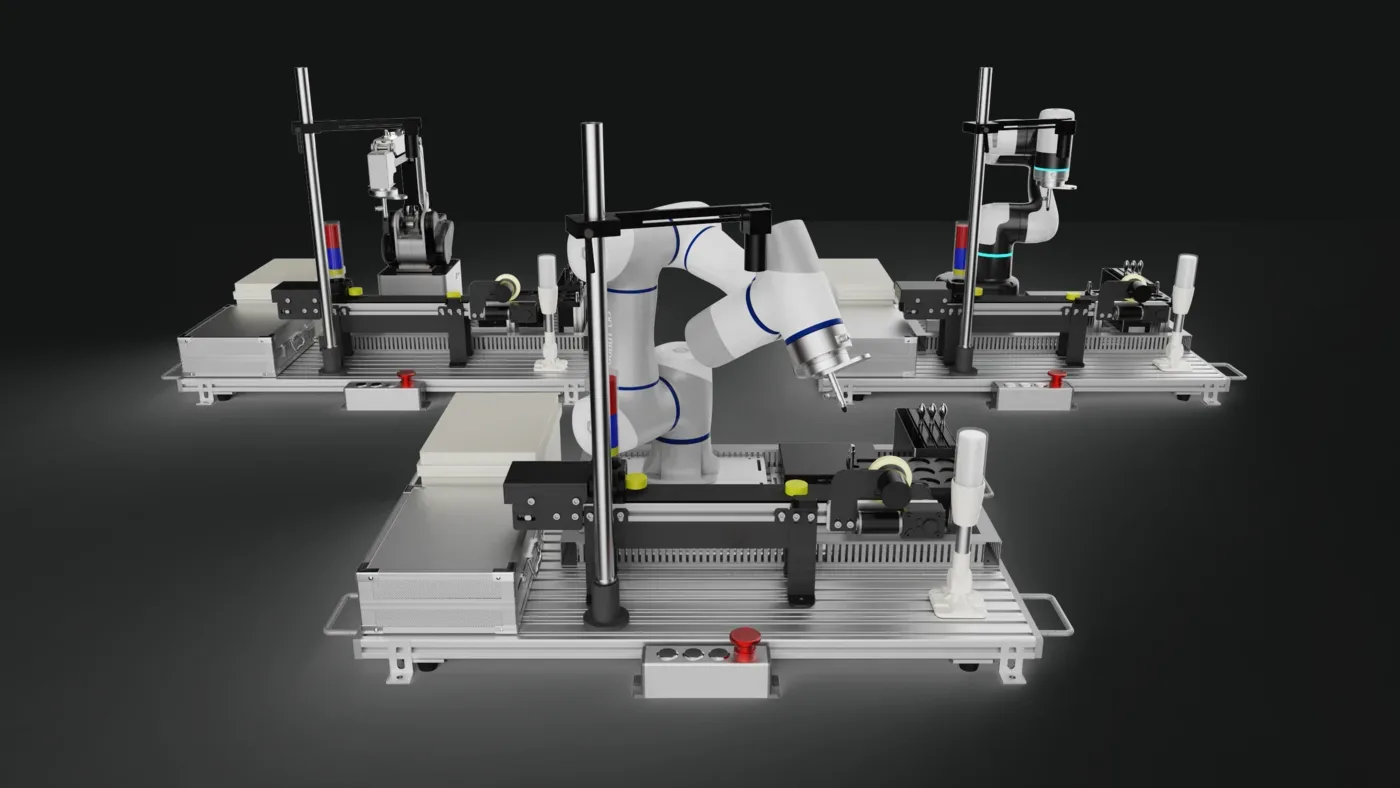
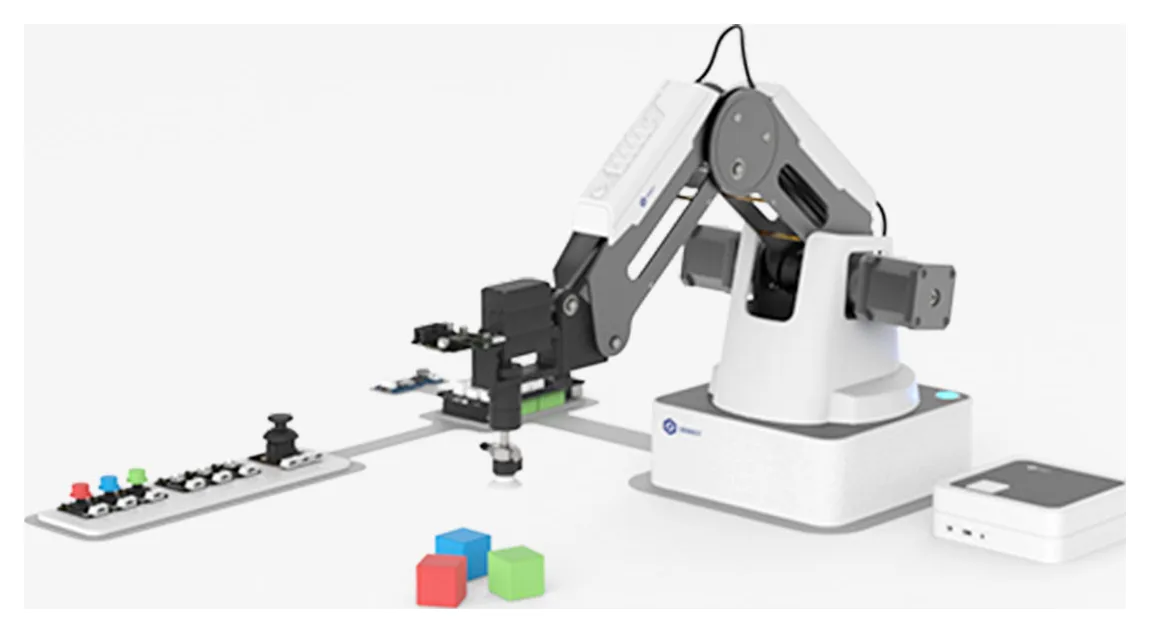
- Training platforms with and without a Siemens PLC.
Ready-made
Configured before it ships.
Ready-made means the integration is already done and already tested. The cell arrives configured for its job rather than as a kit with a manual. Your team is trained on it on your own floor, standing at the machine they will be using.
Applications
Where cobots pay off
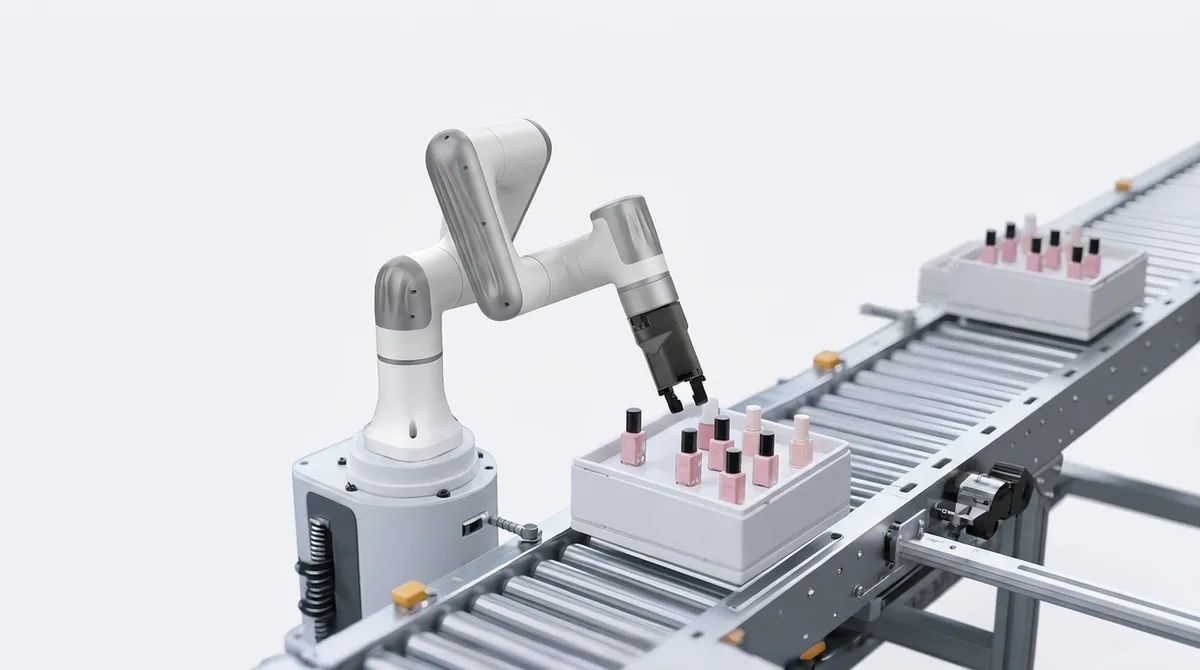
Cells suit work that repeats and does not argue: a part that arrives the same way each time, a motion that does not need judgement, a shift that needs the same thing done to the end of it. Where the work varies more than that, an arm on its own is usually the better buy.
When the job changes
It comes apart again.
A cell is not a one-way door. The arm inside it is the same arm we would sell on its own, running the same software, so a cell built for one job can be stripped back and pointed at another when the product changes. That matters more than it sounds: most lines change before a robot wears out.
How a job runs
Five steps, every time.
Every job runs the same five steps: assess, supply, integrate, train, support.
Sixteen applications where cobots pay off, from machine tending to hospitality and retail.
2 in this range
What we supply.
- Palletizing workstations
- Welding platform
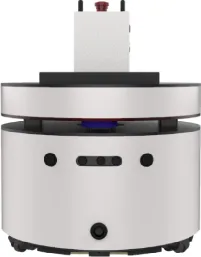
- AMMR
- Training platforms
We time the task before we quote it. If the cycle will not hold, you will hear that while it is still a conversation rather than after the invoice.
Pricing is quoted case by case.