Robots
Humanoids
For universities, research groups and demonstration.
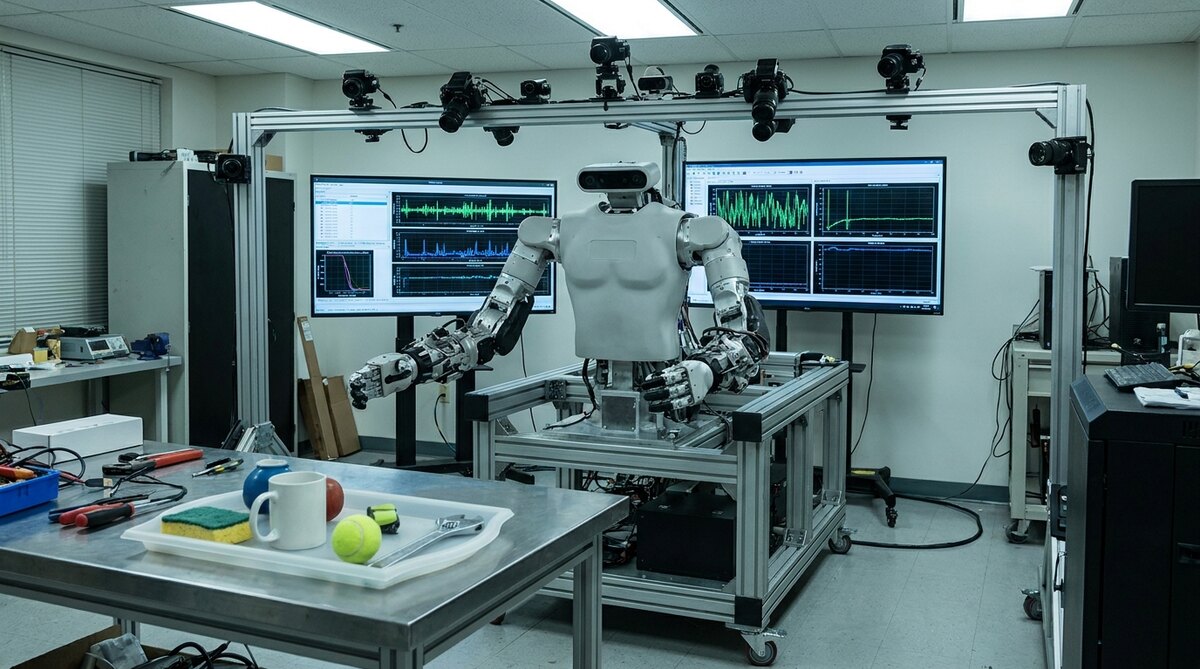
Research platforms are bought for the opposite reason to factory robots. A factory wants a machine that never changes. A lab wants one that can be taken apart, instrumented, and pointed at a question nobody has answered yet.
Cobot teaching labs, PLC training cells and research platforms. The robots students learn on are the ones factories run.
- Teaching lab
- Research platform
What you get
Built for research.
- Dexterous hands for material handling.
- Assembly research and AI training data.
- Straight-knee walking and whole-body control.
Research platforms
Built for the lab.
That makes open access matter more than polish. The platforms we supply expose their control stack rather than hiding it, so a student can read what the robot is actually doing and a researcher can replace the part they disagree with.
Bimanual data-collection cells, humanoids, walking robots and skin-sensing cobots for shared lab space. Open Python API, ROS, SDK onboarding and data pipelines.
Data collection
Rigs that make recordings.
Bimanual rigs exist to make data. For a manipulation lab, a cell built to capture demonstrations cleanly is worth more than a faster arm, because the recordings outlive the hardware that made them.
Teaching cells
Kit that survives a cohort.
Teaching labs have a different problem: the kit has to survive a cohort. Training stations and desktop cobots take that punishment and still run the same software as the industrial arms down the road, which is the whole point of learning on them.
Six-axis cobots and training stations, desktop industrial cobots, education packages and a universal training platform with Siemens PLC. Pick and place, vision, grippers, assembly lines.
In published research
The labs got there first.
405 universities and institutes worldwide run DOBOT robots in published research, from Imperial College London to KAUST. The full list is available on request.
Institution marks identify published research and teaching use of DOBOT robots. They do not imply endorsement of Zeta42 or DOBOT.
6 in this range
What we supply.
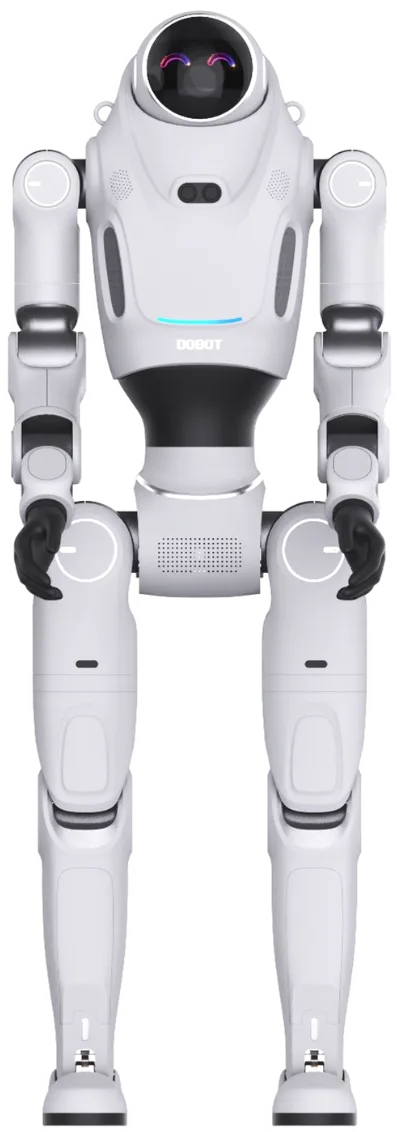
- LUMO L1 Standard
- LUMO L1 Max
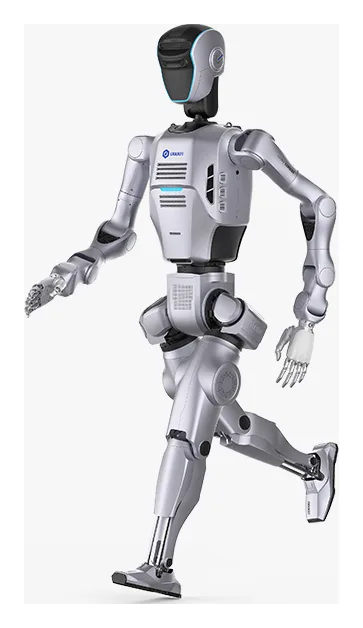
- ATOM
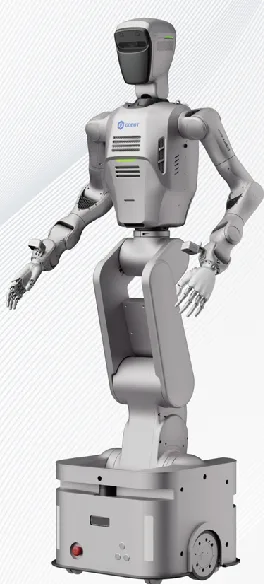
- ATOM-W
- ATOM Max
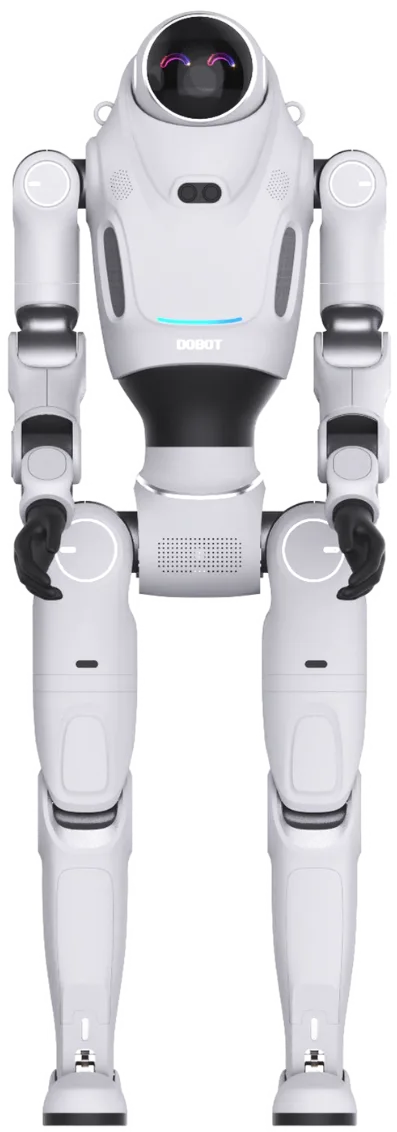
LUMO L1 Standard (Education edition)
Humanoid · 30 DoF · 1.24 m
SpecificationsLUMO L1 Max (Training edition)
Humanoid · 30 DoF · LiDAR + RGB-D
Specifications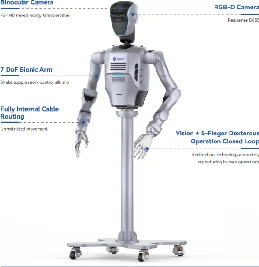
Atom Data Collection Version
Data Collection
Specifications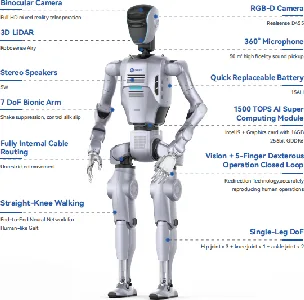
Atom Trainer Version
Trainer
Specifications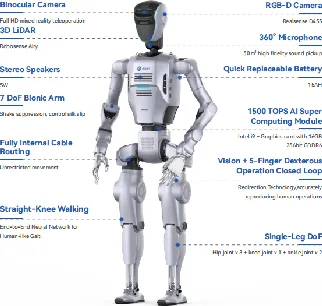
Atom Max Version
Flagship
Specifications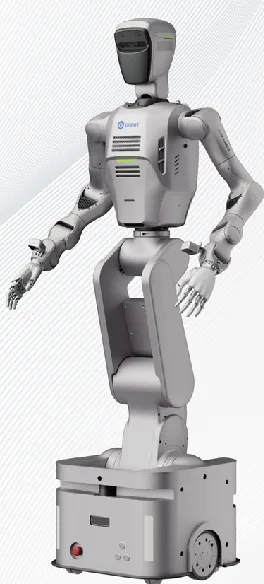
ATOM-W
Wheeled
SpecificationsPricing is quoted case by case.