Robots for industry
The whole DOBOT range, supplied from Abu Dhabi.
A robot is the easy part. Choosing the right one, proving it pays and keeping it running afterwards are the hard parts, and they are the parts we do. We come and time the job on your floor, supply the arm, wire it into your line, and train the people who will run it after we leave.
We assess the job, supply the robot, integrate it and train the team. A factory can have a working robot within days.
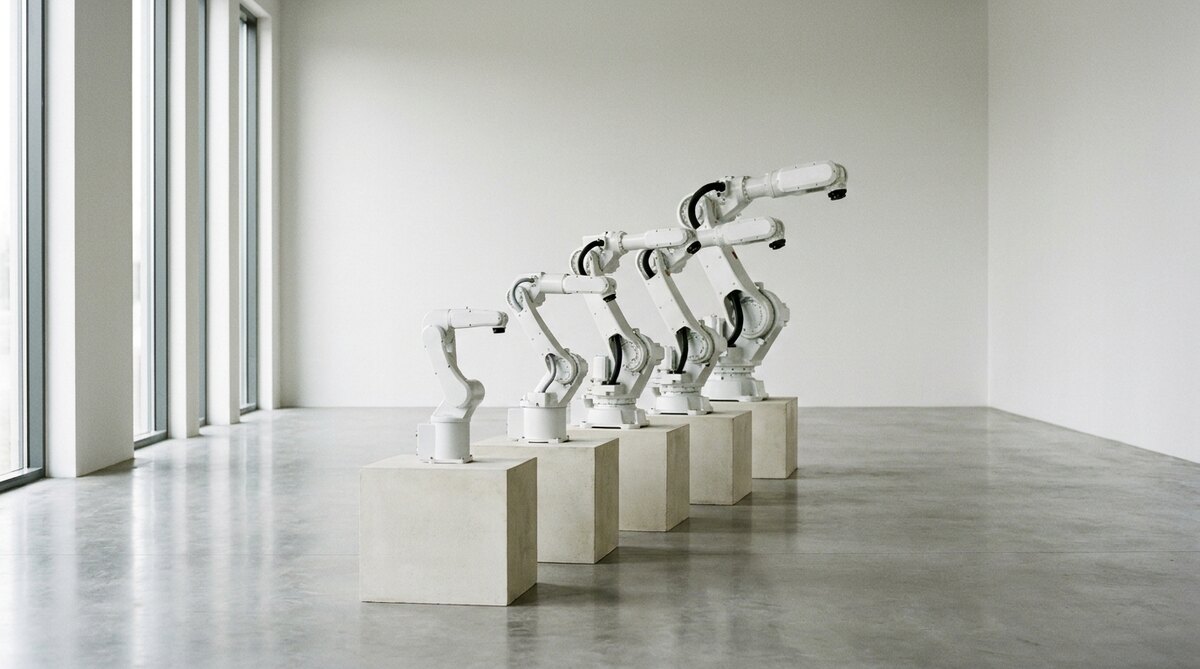
Six ranges
One family, 0.5 to 30 kg.
Six families cover what a factory, a lab or a classroom asks for. They share one software family and one API, so a team that learns one arm can run the others without starting again, which is most of the argument for buying a range rather than a robot.
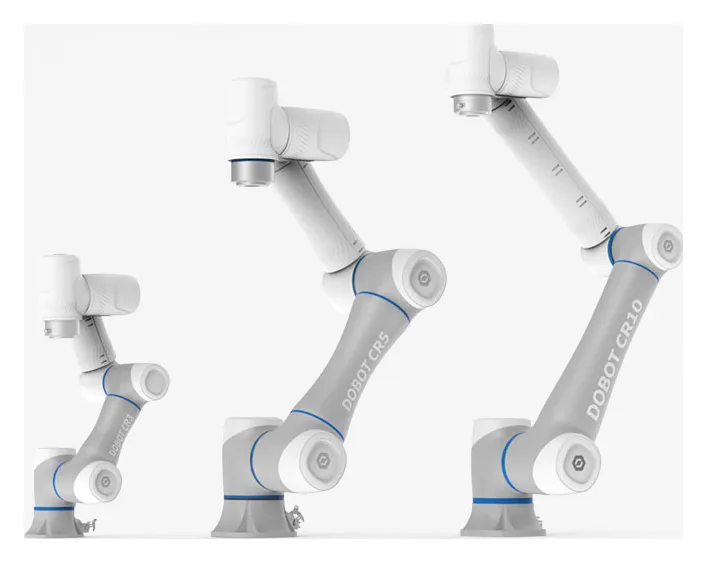
Collaborative robot arms
3 to 30 kg payload, for the line and the cell. Skin-sensing models that stop before contact.
View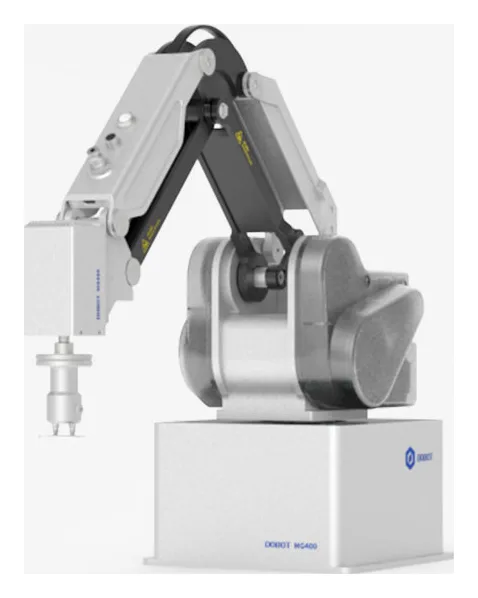
Compact and desktop industrial arms
Light assembly and pick and place, on a counter-sized footprint. A desktop industrial cobot on a 190 by 190 mm base.
View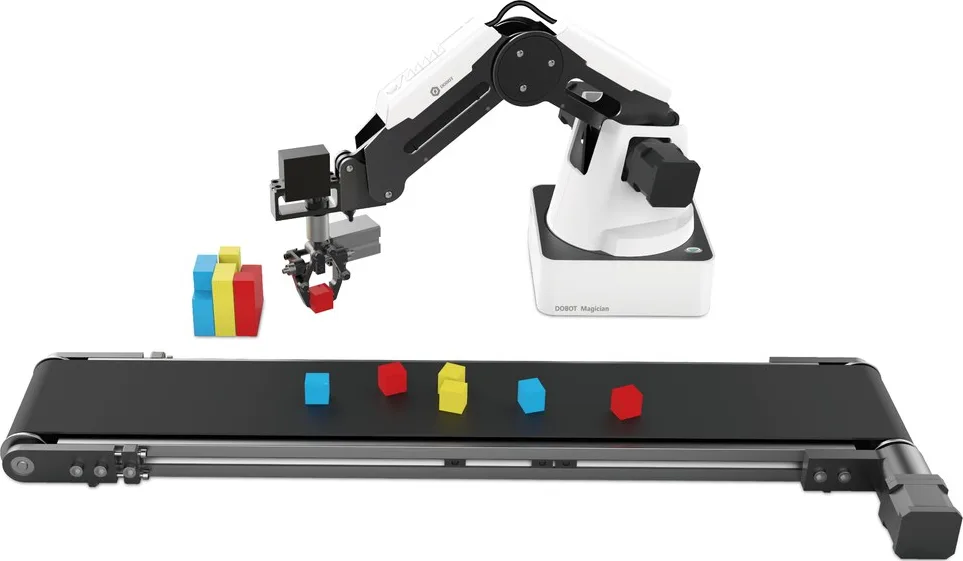
Education robots
Desktop arms built for classrooms, four-axis and six. Four-axis desktop arms for 3D printing, laser engraving and drawing.
View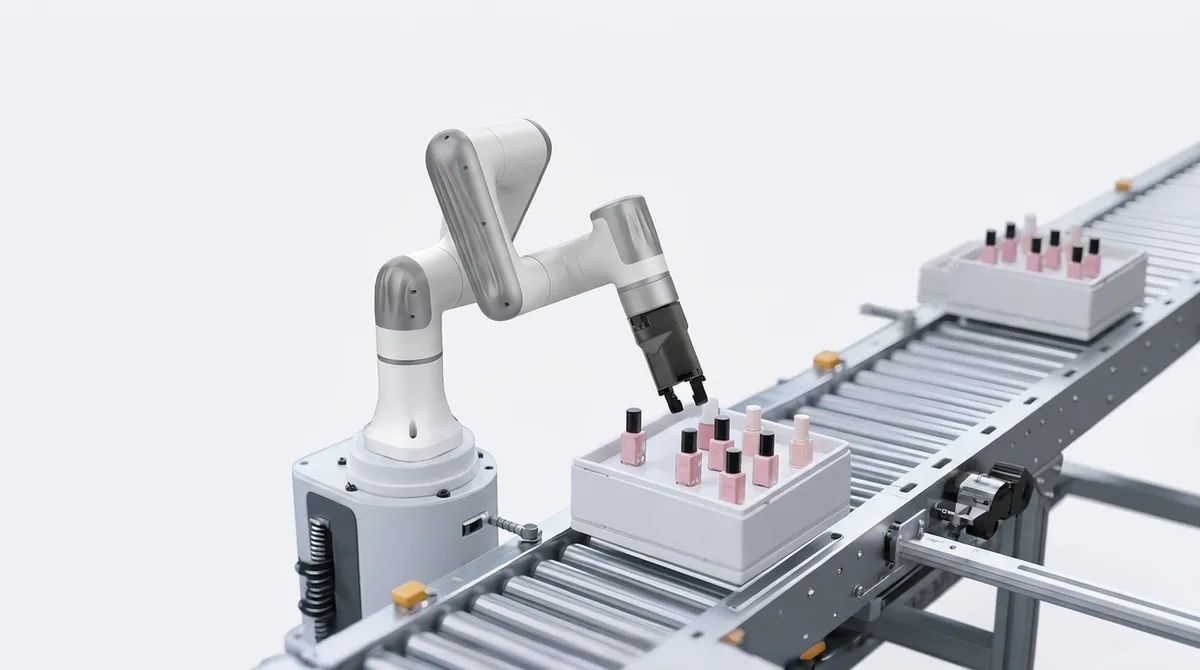
Work cells and training platforms
Pre-engineered for a job, so a factory or a lab can start in days. Palletizing set up in 30 minutes with no code.
View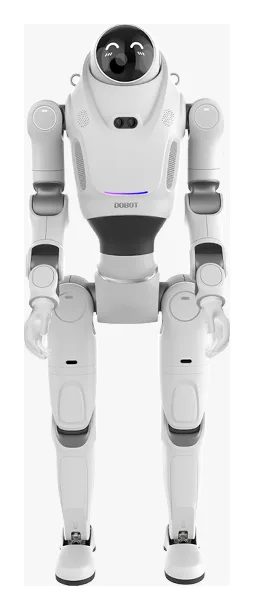
Humanoids
For universities, research groups and demonstration. Dexterous hands for material handling.
View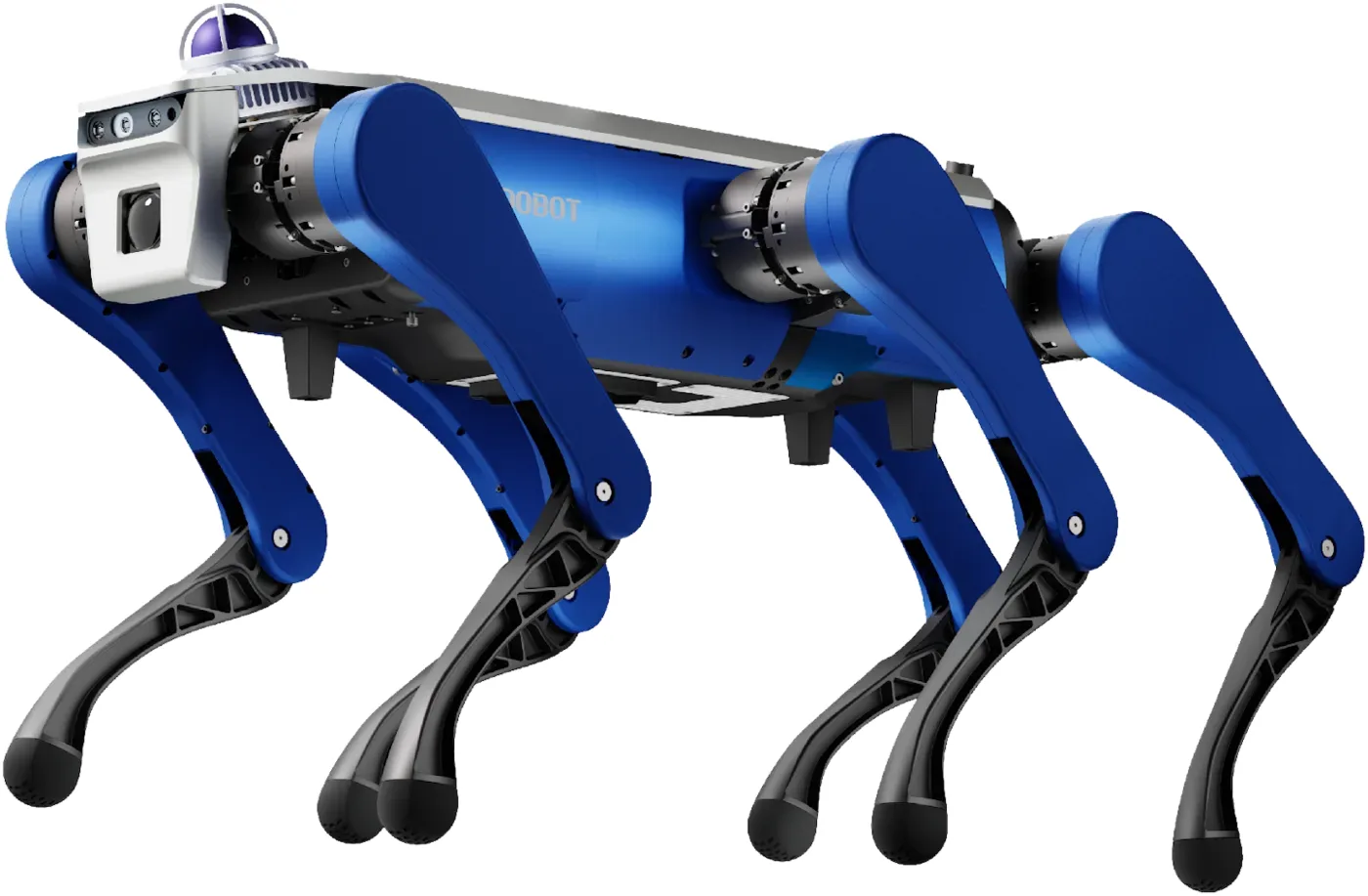
Legged robots and data collection
Walking platforms for research, inspection and teaching. Quadruped and six-legged platforms carrying sensor payloads.
View- Welding
- Light assembly
- Hospitality
- Mobile manipulation
How a job runs
Five steps, every time.
 01
01Assess
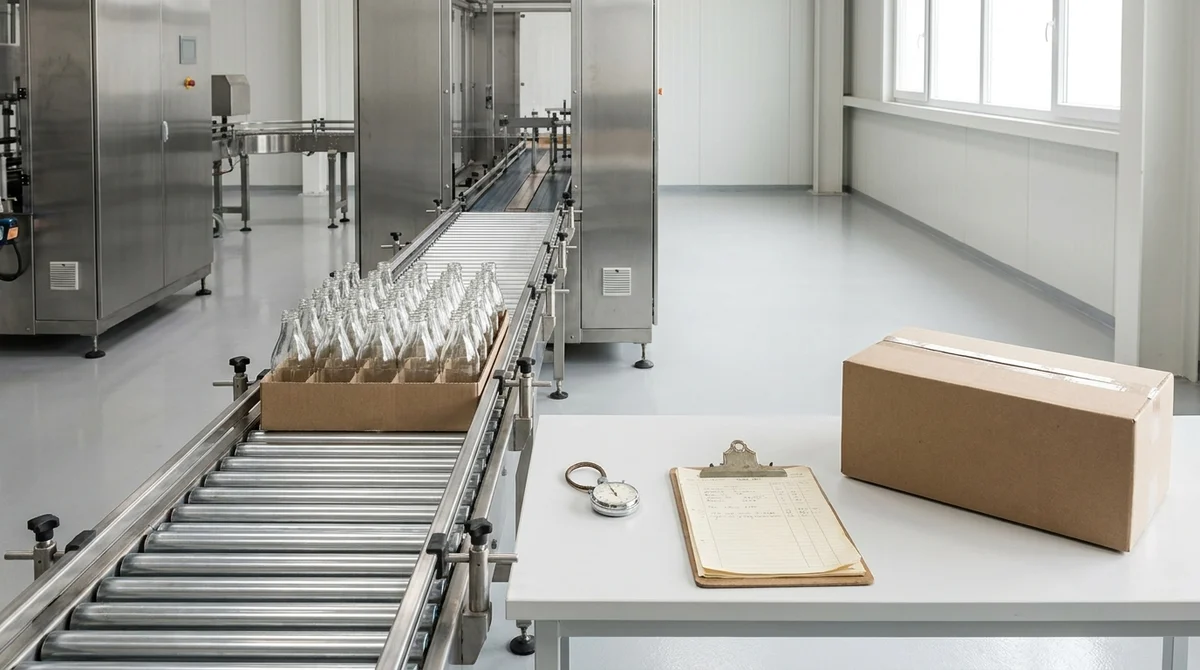
Site visit. We time the task and pick the robot.
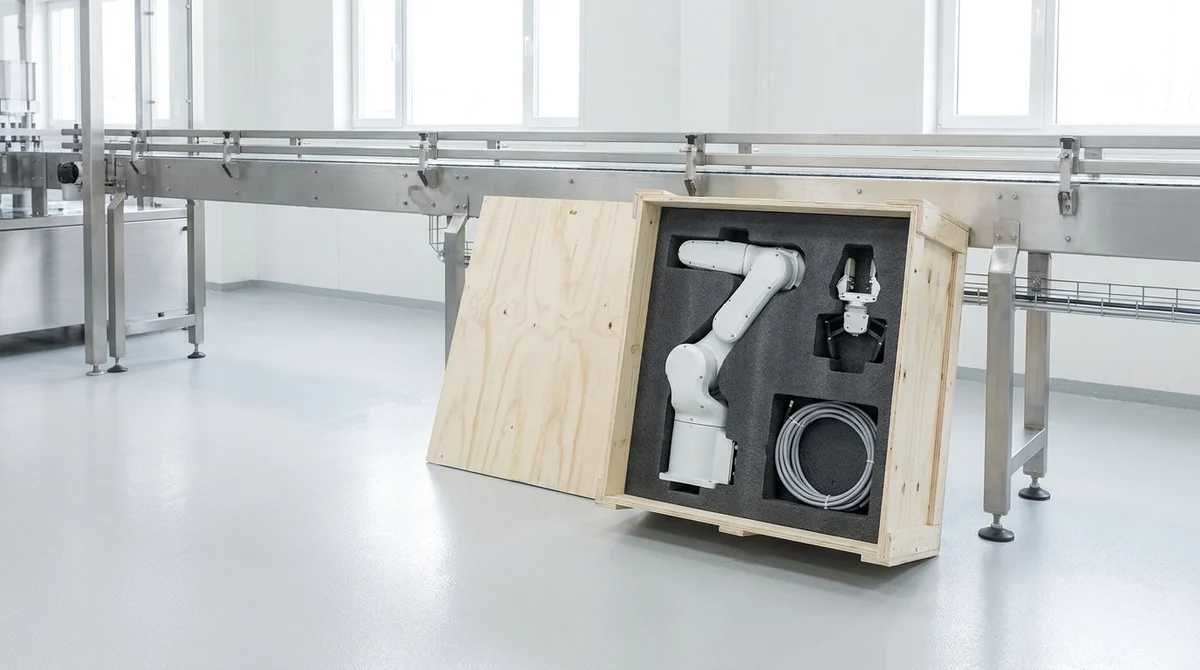 02
02Supply
Robot, gripper, vision and cell from one partner.
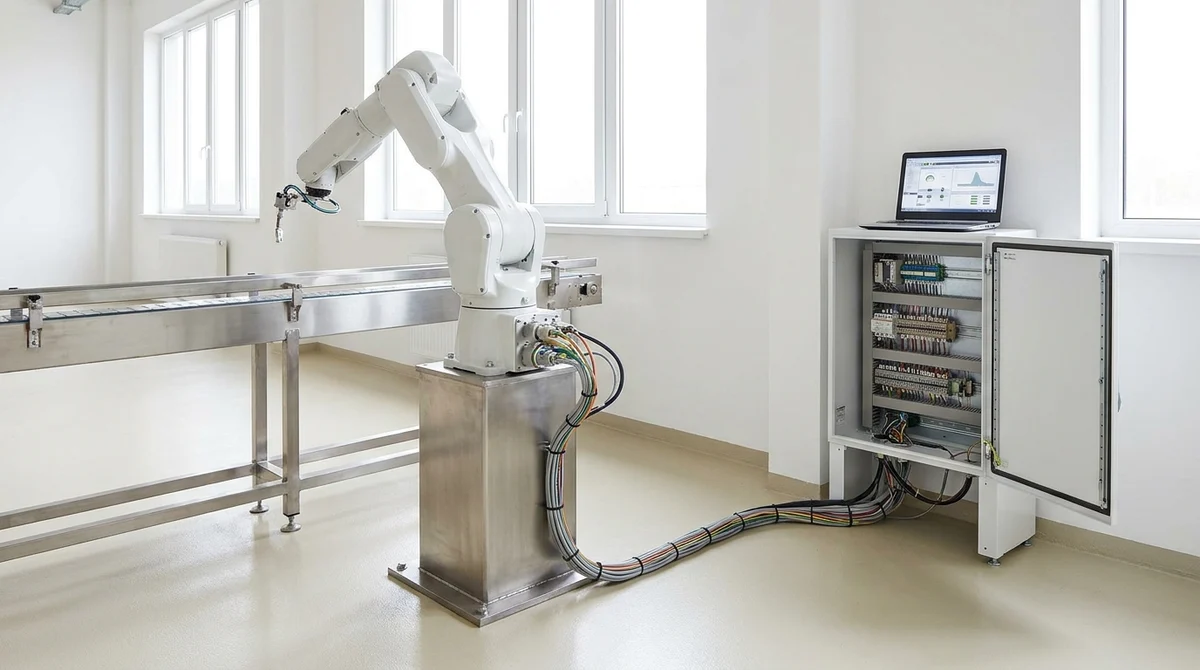 03
03Integrate
Wired into your line, PLC and software.
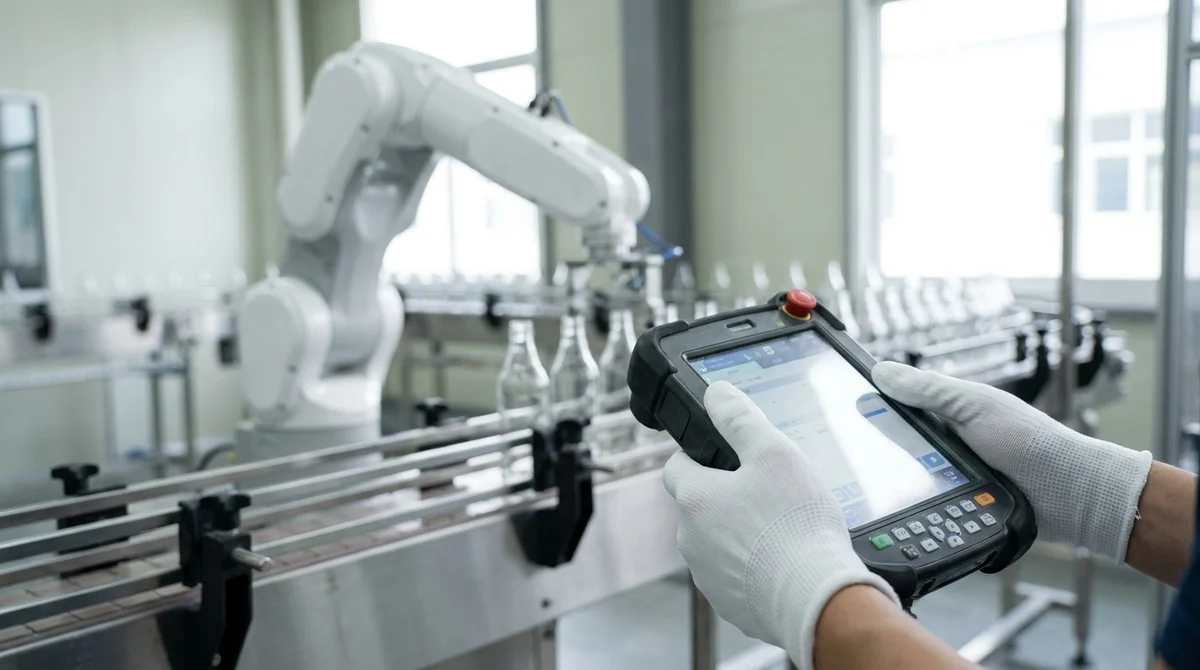 04
04Train
Operators and maintenance staff, on your floor.
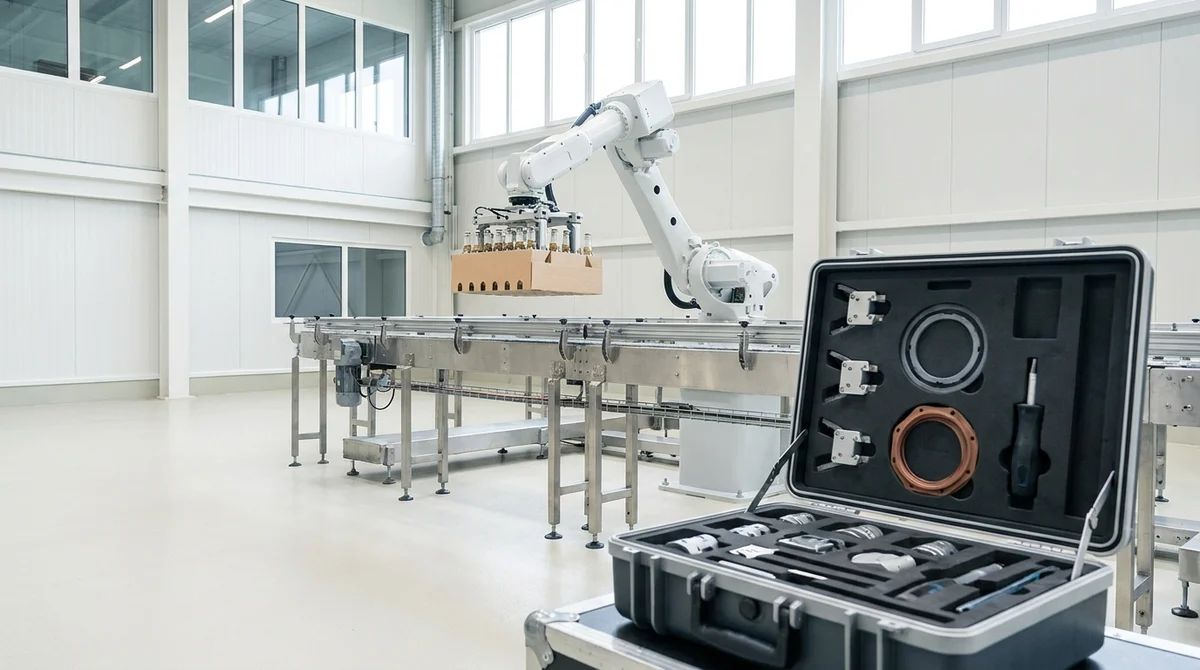 05
05Support
Service and spares, with a team in the region.
Applications
Where cobots pay off
The jobs that pay back first are the dull ones that run all shift: the same motion, the same part, over and over. If a person is doing that today, it is worth pricing.
- Machine tending
- Palletizing
- Welding
- Screwdriving
- Pick and place
- Packaging
- Quality inspection
- Polishing and sanding
- Laboratory automation
- Food and beverage
- Pharmaceuticals
- Electronics
- Automotive parts
- Metal fabrication
- Warehousing
- Hospitality and retail
The rest of the job
The robot is the small part.
The people who run it
Operator workshops on your floor, ending with the DOBOT Certificate. Teacher training for school and college labs.
TrainingThe system behind it
Production boards, procurement and approvals, the spreadsheet the line still runs on. The same team that commissions the cell builds the software around it.
Custom systemsQuestions
What buyers ask.
Do you supply the whole DOBOT range?+
Yes. Every DOBOT robot, from a 0.5 kg desktop arm to a 30 kg palletizer and a full-size humanoid, quoted, delivered, installed and serviced across the six GCC countries.
How quickly can a robot be working?+
A factory can have a working robot within days. Palletizing is set up in 30 minutes with no code. The assessment visit gives the real date for your job.
Do cobots need safety cages?+
Usually not. Skin sensing detects a person 5 to 15 cm before contact and stops in 0.1 seconds, certified to ISO 13849-1 PL d Cat 3, ISO 10218-1 and ISO/TS 15066. The assessment confirms it for your cell.
Who programmes the robot?+
Your operators. Drag the arm to teach it; a new task in five minutes. We train operators and maintenance staff on your floor.
What is the payback?+
DOBOT publishes 6 to 12 months for machine tending and 8 to 10 months for palletizing. Figures are DOBOT's published data; performance figures are laboratory results and can differ in use.
Where do you service?+
From Abu Dhabi, across the United Arab Emirates, Saudi Arabia, Qatar, Kuwait, Bahrain and Oman. A line stopped on a Thursday gets an engineer, not a shipping quote.
See one working
Book a demonstration in Abu Dhabi.
Most projects start the same way. We come out, watch the task and time it. If a robot is wrong for the job, you will hear that from us before you have spent anything.