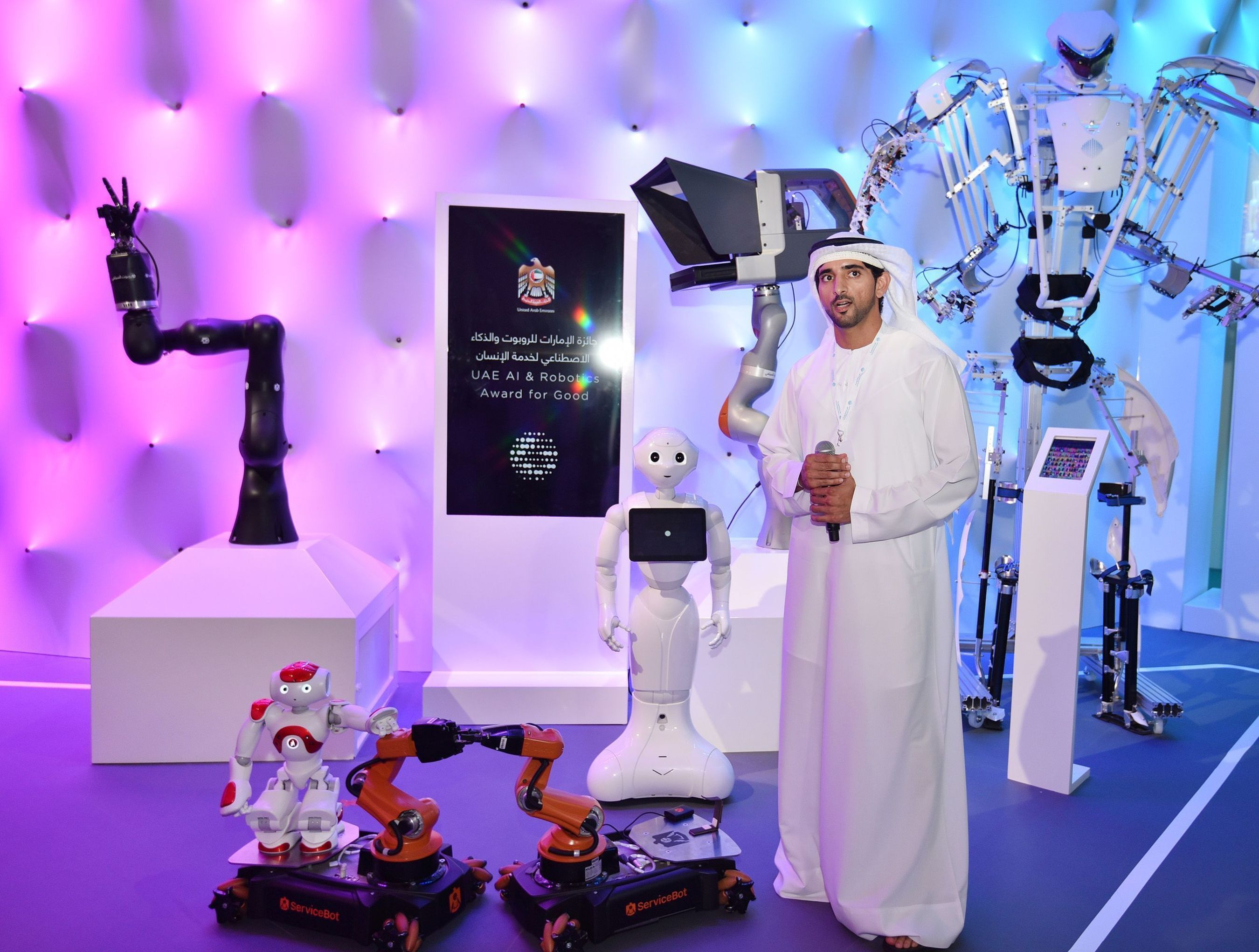
Physical AI: Why Global VCs are Backing Adaptable Robotics
Zeta42 · 23 June 2026
Venture capital is shifting from rigid automation to Physical AI. We analyze how investments in general-purpose models are redefining robotics from Silicon Valley to Abu Dhabi.
The Paradigm Shift: From Rigid Automation to Physical AI
The venture capital landscape is undergoing a massive shift as top-tier investors pivot from pure-play software to Physical AI—the intersection of advanced AI models and physical hardware. For decades, robotic systems remained rigid, limited to highly repetitive tasks in controlled environments. Today, as leading global VCs double down on general-purpose AI models for the physical world, we are witnessing the dawn of adaptable machines that can navigate complex, real-world tasks. At Zeta42 in Abu Dhabi, we see this transition as a critical inflection point for regional industrial transformation.
This wave is backed by heavy-hitting venture capitalists like Founders Fund, Lightspeed Venture Partners, and Greenoaks. Investors are moving away from single-use machines toward platforms that can generalize across different environments. A prime example is Physical Intelligence, a startup developing general-purpose AI models for robots, which has attracted backing from multiple top-tier firms. By equipping hardware with cognitive flexibility, the next generation of robots will not need to be hard-coded for every single movement. As investors point out, the physical transformation is just getting started, and the prize is vastly larger than most realize.
Dual-Use Systems and UAE’s Industrial Future
The commercial implications of these investments span defense, logistics, and precision manufacturing. Founders Fund’s Brian Stephens, who helped shape the trajectory of defense tech giant Anduril (now valued at $61 billion and a heavy participant in Middle East security), highlights a growing trend: the rise of advanced autonomous systems designed for high-stakes environments. From Hadrian’s automated precision manufacturing for aerospace and defense to Gecko Robotics’ infrastructure inspection systems, the future of physical AI is inextricably linked to national resilience.
For the UAE and the broader GCC, this investment thesis aligns perfectly with regional strategies to automate critical infrastructure, logistics, and supply chains. Companies like Mytra are already revolutionizing logistics with modular 3-D warehouse storage systems that do not require customers to rebuild their physical facilities, while others like Agrippa apply robotics to agriculture. For Abu Dhabi's rapidly evolving industrial landscape, adopting these adaptive hardware-software integrations is no longer a luxury—it is the baseline for global competitiveness.
Source: businessinsider.com